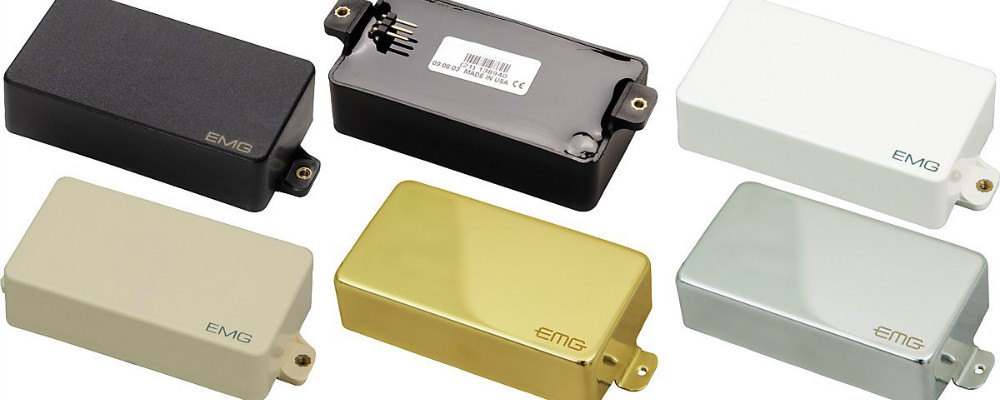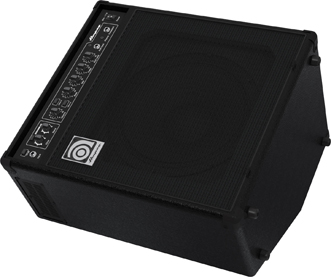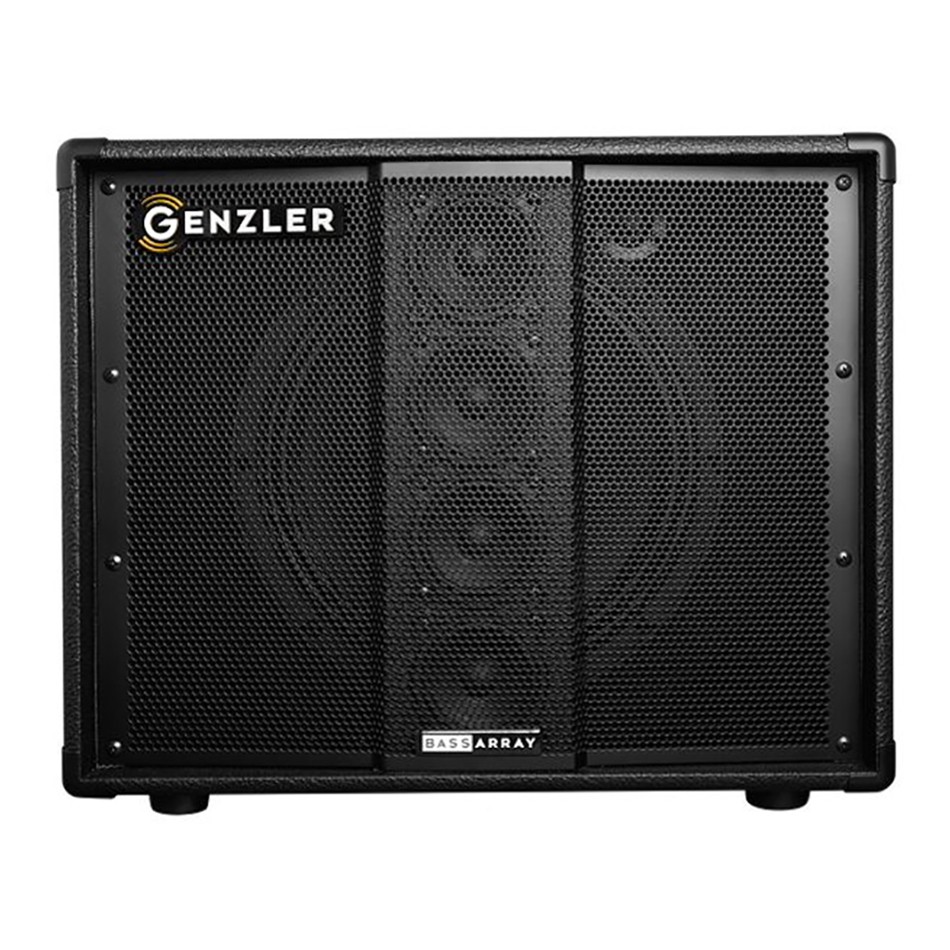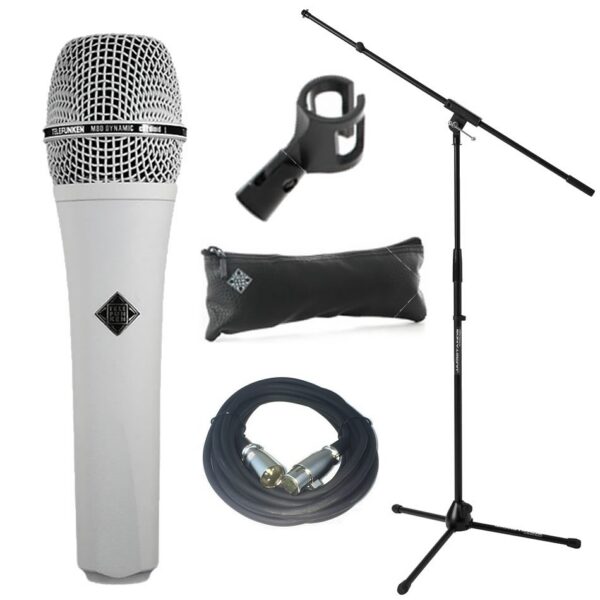

The bass players have the role to maintain the rhythmic groove in the band. Bassists create the music’s foundation over which the rest of the band play. It takes some powerful speakers and lot of juice to accurately reproduce the output of an electric bass. A vast selection of gear is available on the market in order to meet those requirements.
We all play in different venues and different types of music, so playing bass through an amp vs. playing through a PA depends on your personal needs. For instance, when it comes to playing a solo gig, an acoustic amp that features an optional mic input for vocals can work okay. Maybe this is not really an ideal setting, but most often solo has to keep things light.
However, things start to change once you start adding another player. In this case, a small scale PA system can provide benefits even to a solo act, especially if you don’t mind to spend several extra setup time minutes.
A compact passive mixer and a small powered PA speakers system have the potential to provide a sound quality far better than any acoustic amp. You will also have the possibility to place the speaker up on a stand and other various options for room coverage.
The speaker can be set up nearby on the floor, with the mixer set on top, or the speaker can be set up on a stand in order to achieve a better coverage. In case that the venue is noisy, you may also add a small EV ZXA-1 speaker as a floor monitor.
A PA allows a modular and focused approach to sound reinforcement. Depending on the gig, you can scale up or down. An acoustic amp doesn’t allow you to do the same scaling.
In case that you get a good powered speaker and passive mixer and avoid spending money on an acoustic amp, then you are on your way towards owning a “real” PA system. A real PA systems require you to just add one more speaker.
If you want to set up with the least possible effort at a gig, then an acoustic amp might be justified. In this case, you won’t have to worry about amplifying anyone else and would have everything in one box. An acoustic amp can be also justified in case that you are on a tight budget. Sometimes, a good acoustic amp can even sound better than the cheapest PA gear.
There are some basic features to look for in case that you decide to use a bass amp, including tone controls, multiple channels, gain control, resonance and damping controls, direct output, switchable impedance, multiple speaker jacks, passive/active inputs, XLR balanced inputs, footswitch jack, effects loop, built-in tuner, mute switch, switchable power supply, and VU or clipping meter.
Final Thoughts …
In the end, it comes down to choosing the right technique for the job. In the cases where it’s close enough that either would be a good choice, it comes down to personal preference — the clean sound of a PA or the versatility of your amp? Whatever you decide, just make sure to rock hard!
Your Turn to Sound Off!
Which do you prefer, playing through a combo amp or PA system?
Let us know in the comment section below!
Other Stories You Might Like …